

Blog
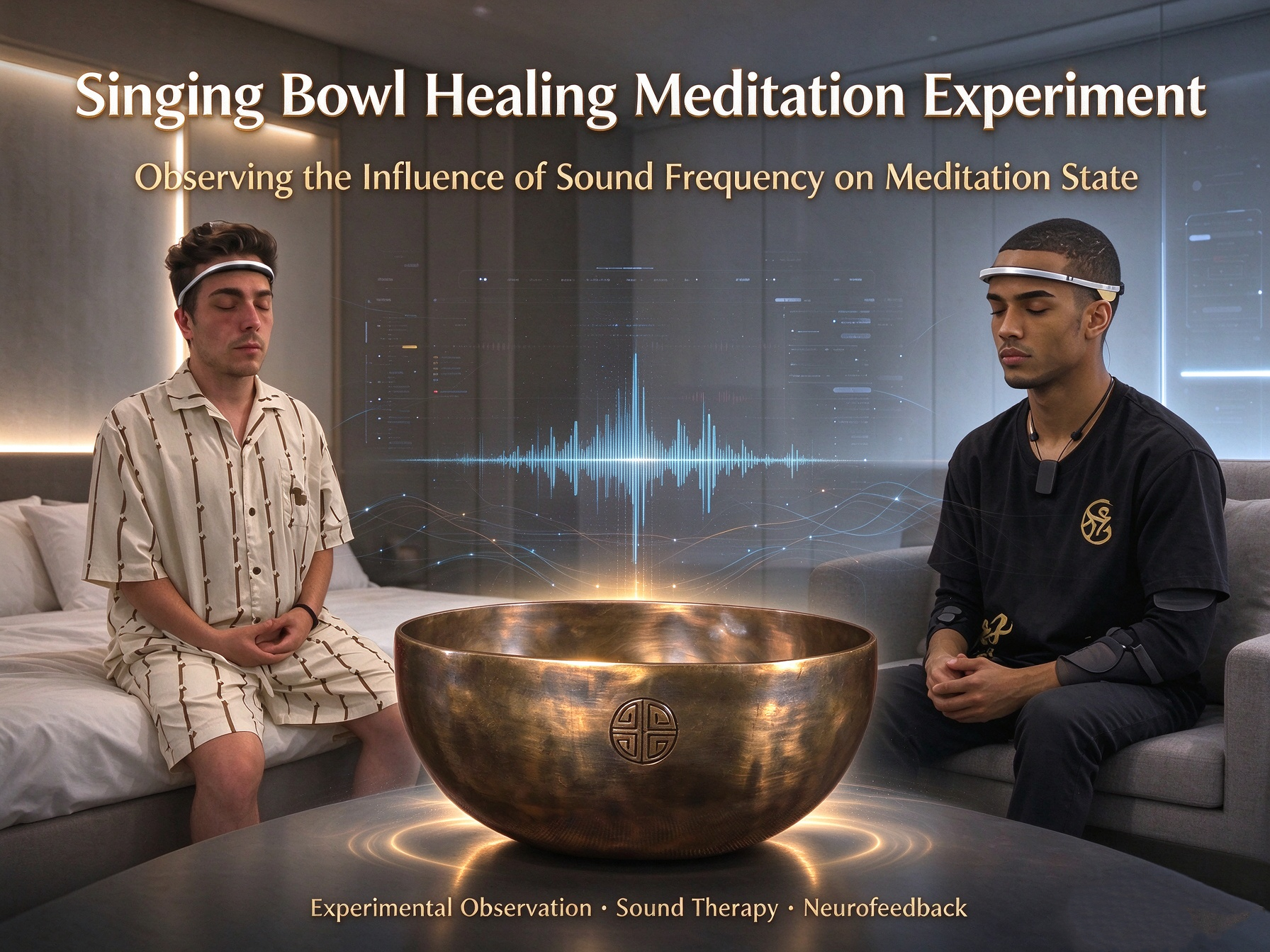
I Put an EEG Headband On and Measured What a Singing Bowl Does to a Tired Brain
We ran a simple self-experiment: fifteen minutes of forced focus versus three minutes with a singing bowl, tracked on an EEG headband. Here’s the data, the screenshots, and what it does and doesn’t prove.
“Isn’t this all placebo?” is the first thing people ask when I talk about singing bowls. It’s a fair question, because the market is full of people selling what I’ll politely call mystical accessories, and most of them can’t show you anything.
So I decided to measure my own brain. This isn’t a lab study. It’s one guy, one EEG headband, one bowl, a bunch of screenshots, and a willingness to publish the parts where I looked dumb.
Here’s what I did, what the data showed, and what I think it actually proves. The honest answer is less than I hoped, and more than “nothing.”
The setup
Protocol: same time of day (evening, after work, deliberately tired), same desk, same type of task, across two sessions on different days.
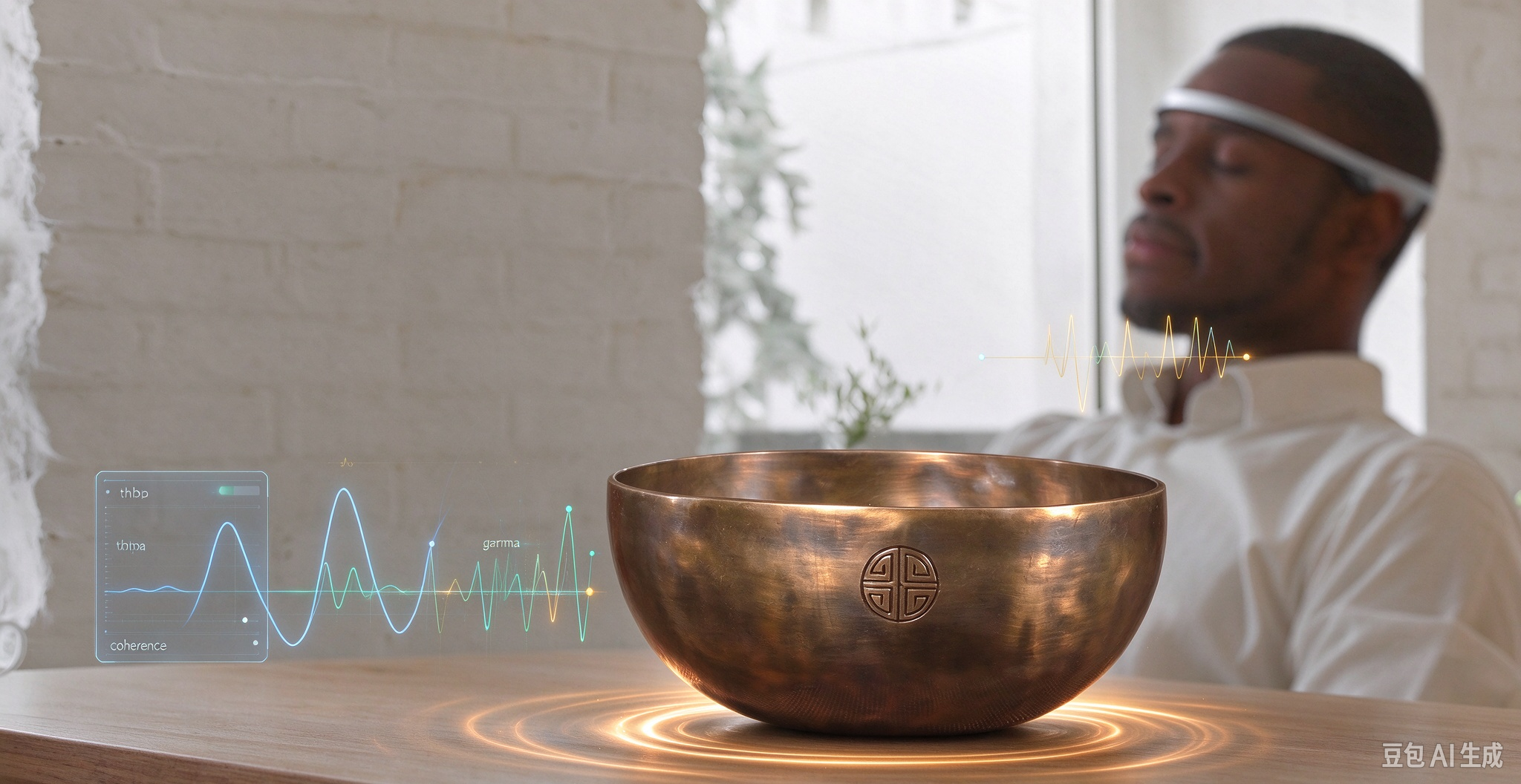
The headband tracks the main brainwave bands (delta, theta, alpha, beta) in real time. I recorded each session, saved the summary, and took screenshots.
One honesty note: consumer EEG is not clinical-grade. The absolute numbers are noisy, and I wouldn’t trust them for anything medical. What it’s good for is comparing your own brain across two sessions under the same conditions, which is exactly how I used it.
Experiment A — willpower only
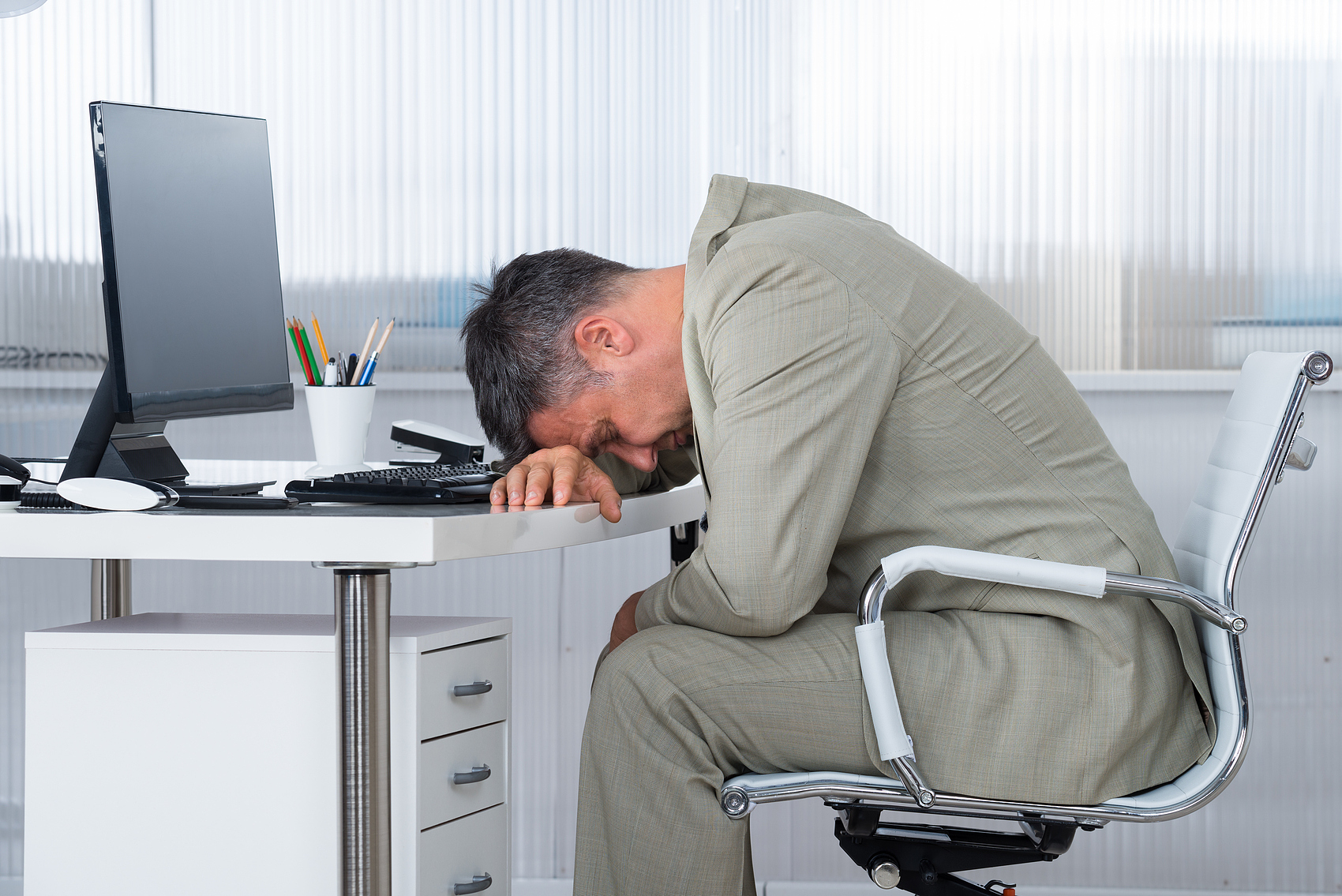
First session: I came to the desk tired, the way most people end a workday, a little drained and a little restless. No bowl, no music, nothing. Just me, a laptop, and a task I wasn’t excited about, which was the point.
I watched the EEG for 15 minutes. The beta band, the high-frequency alert-stress activity, sat high the whole time. Little red spikes everywhere. The alpha band, the calm-focused one, barely moved. [M2-01: insert screenshot, Session A EEG trace]
Here’s what that felt like on the inside: I was working, technically. Checking things, making small progress, fighting the urge to open Twitter. But it was grinding, not flow. Fifteen minutes felt like forty. That’s your brain in beta, spinning without gripping.
The takeaway wasn’t dramatic, and it’s exactly what anyone would expect: forcing it doesn’t drop you into flow. It keeps you in the anxious band.
Experiment B — three minutes with the bowl
Second session: same tiredness, same desk, the same task waiting. This time I started with the bowl.
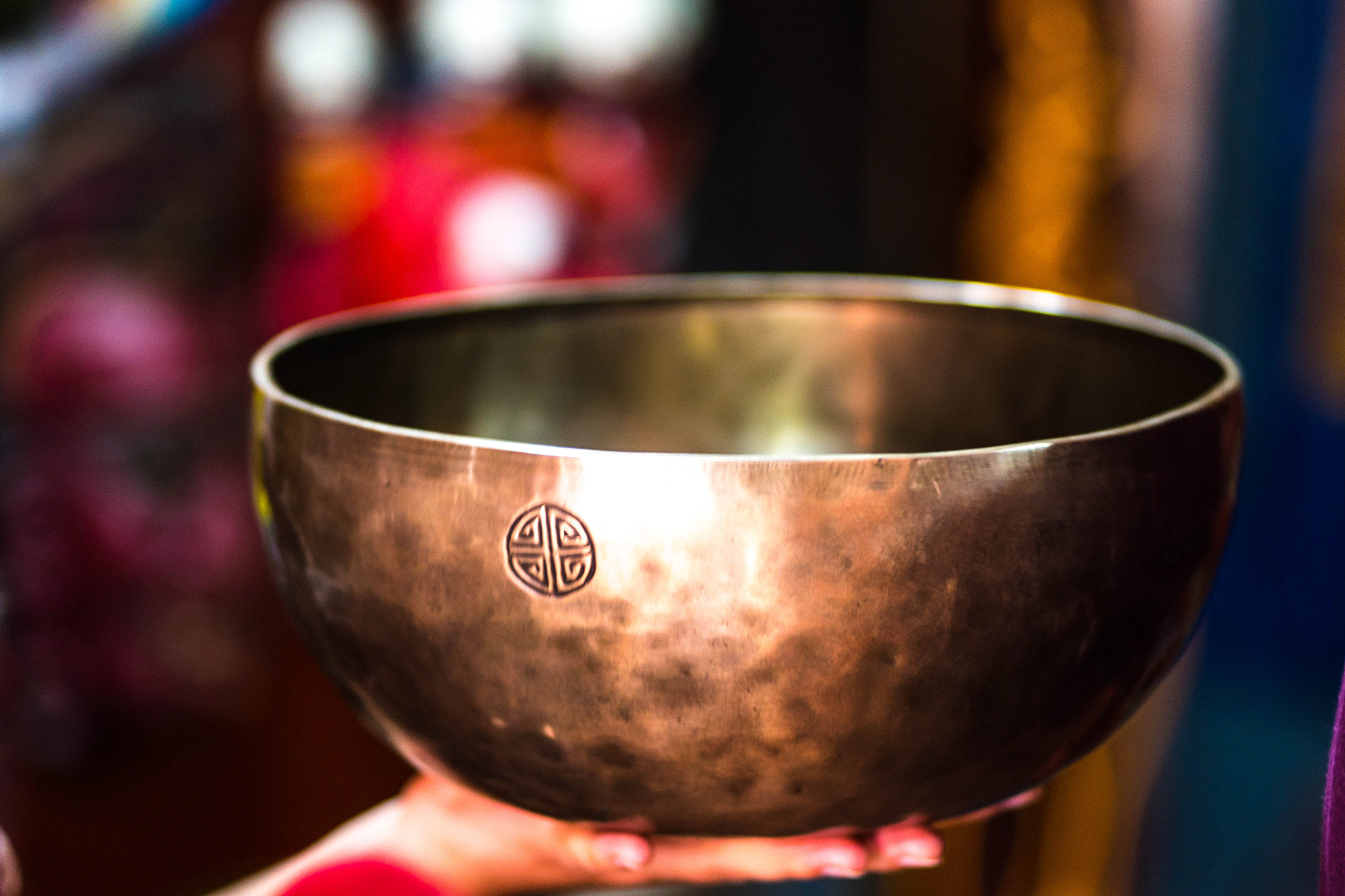
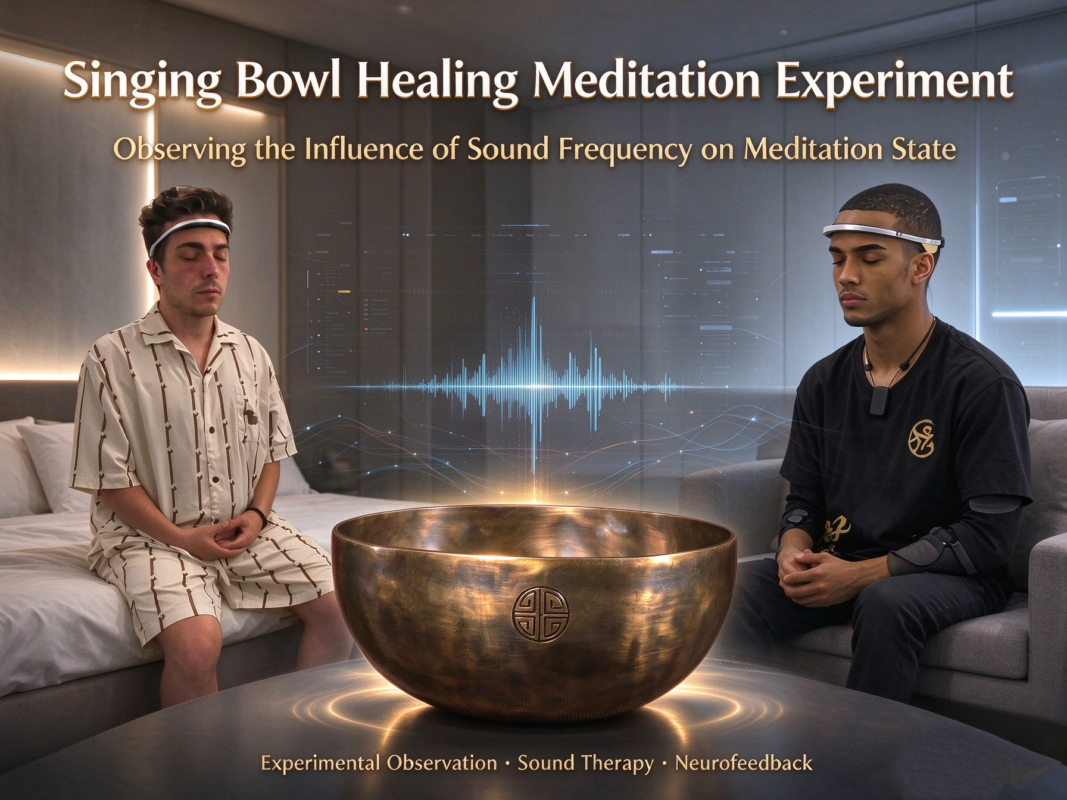
Protocol: hands flat on the desk, one strike at the rim, eyes closed, two slow exhales, let the ring decay. I didn’t time it precisely. “Until it felt quiet” turned out to be about three minutes.
Then I opened my eyes and did the same task.
The EEG trace was different. The beta spikes dropped off within a couple of minutes of the strike, and the alpha band rose and held. Not a blip. It stayed up through the working session that followed.
The summary made it stark: alpha energy up roughly versus the willpower session, with beta correspondingly lower.
I checked the numbers twice, because I didn’t believe it. Same headband, same room, same time of night. The only variable was three minutes of a ringing bowl.
What this does and doesn’t prove
Let me be careful here, because I hate overhyped wellness content as much as anyone.
What it doesn’t prove:
It’s not a clinical study. n=1, no control group, no peer review. Treat it as a case study, not evidence.
It doesn’t prove the bowl works for everyone. Brains differ.
It doesn’t prove the sound specifically does the work. Sitting still for three minutes, alone, might carry part of the effect.
What it does suggest:
The effect isn’t imaginary, at least in my case. The numbers moved in the direction the physiology predicts, and the change outlasted the three-minute session.
Brainwave entrainment has a real research base. It’s not new-age territory, it’s the same phenomenon behind binaural beats, which have been studied for decades.
The honest version: this is one person’s data, published so you can judge for yourself. The full report, with raw traces and the settings I used, is free here
Run your own test
You don’t need my data to decide. If you have a consumer EEG headband, or even just an honest notepad, here’s the version worth running:
1. Same task, same time of day, two sessions.
2. Session A: 10 minutes of forced focus. Note how it felt and how much you got done.
3. Session B: three minutes with a bowl, then the same 10 minutes.
4. Compare completion rate and, if you have the device, the alpha/beta split.
If your Session B matches Session A, you’ve saved yourself a purchase, which is also a useful result.
If you’d rather watch the experiment than read about it:
Next post is more practical: the four moments where I actually reach for the bowl during a workday, and the exact routine for each.
Lorem ipsum dolor sat amet,consectetur adipiscing elit。Ut elittellus,luctus nec ullamcorper mattis,pulvinar dapibus leo。