
Blog
What Is Flow State, Really? And How a Singing Bowl Became the “Focus Button” on My Desk
Flow state isn’t reserved for athletes and monks. Here’s what it actually is, why coffee works against it, and how a three-minute desk ritual with a singing bowl helped me get back to work.
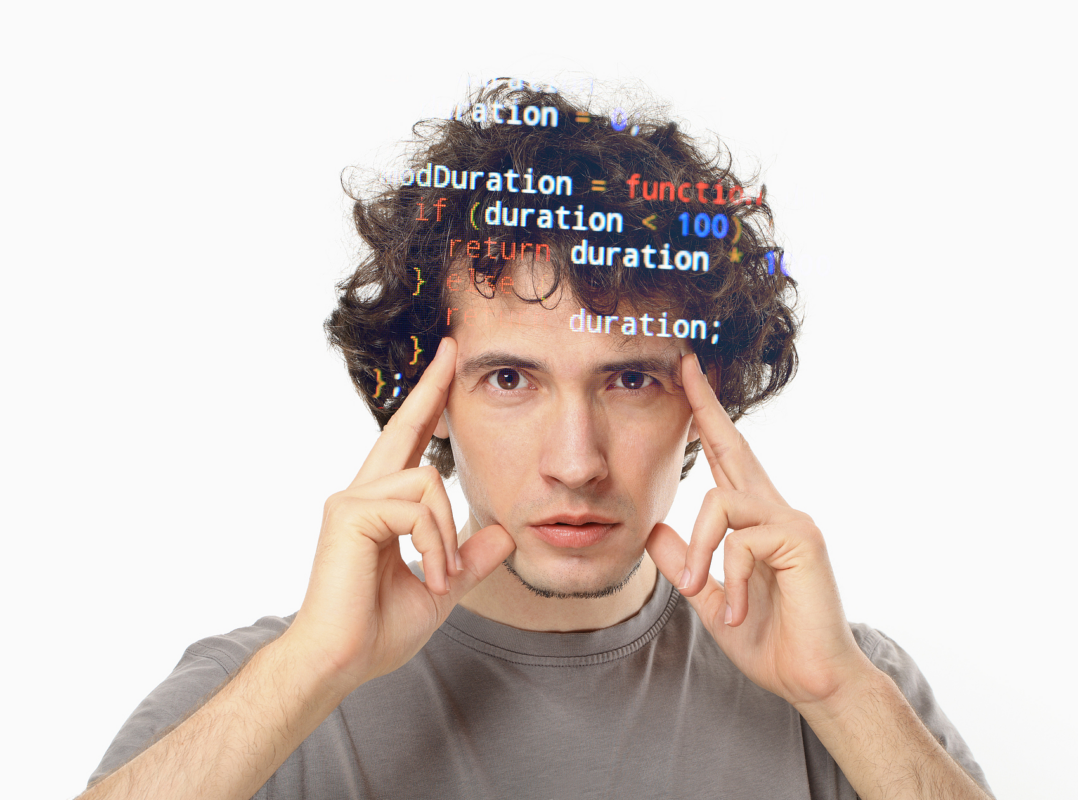
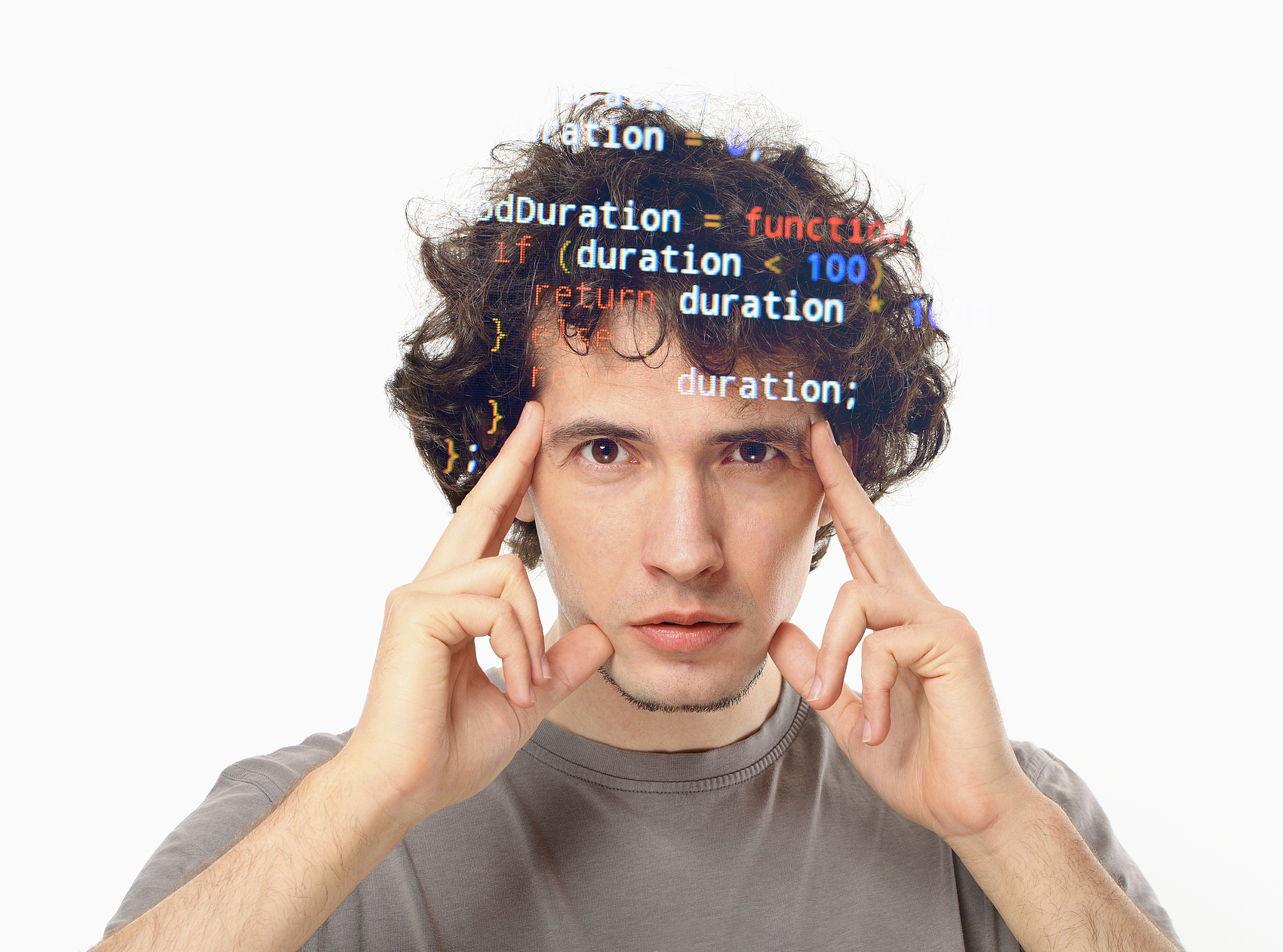
You know the feeling. You sit down to write a bit of code, or finish a design, or dig through a messy spreadsheet. Ten minutes, you tell yourself. Then you look up and four hours are gone. Your neck is stiff, the coffee went cold somewhere around hour two, and there are 40 unread notifications you don’t remember ignoring.
Your head was quiet the whole time. The work just moved.
That state has a name. It’s called flow, psychologists have been studying it for decades, and here’s the frustrating part: most of us only stumble into it by accident a few times a year. The rest of the time we’re wrestling with brain fog, a to-do list that grows faster than we shrink it, and the sudden, urgent need to open a new tab and “just check one thing.”
I chase this state for a living in a small way. My business is online, which means I spend my days staring at dashboards, listings, and spreadsheets until my eyes cross. Somewhere in there I started testing sound as a reset tool, singing bowls specifically, and it changed how I structure my workday. This post is the honest version of that: what flow actually is, why the standard advice doesn’t fit a desk job, and why a three-minute bowl sits next to my keyboard.
Where the idea of flow comes from?
Psychologists have been poking at this for decades. Mihaly Csikszentmihalyi, the researcher who gave it the name, spent years interviewing artists, scientists, and athletes, and he kept hearing the same description: total absorption, time falling away, effort that stops feeling like effort.
Business research found the same pattern. A McKinsey study that followed executives over ten years reported that people in flow were roughly five times more productive than their baseline. [M1-01: insert link to the McKinsey study here]
That number changes how you should think about “grinding.” If two hours of real flow beats a full day of distracted effort, then the skill isn’t working harder. The skill is getting into the state more often.
The coffee trap
This is where I have to annoy some people, including my former self: coffee is the wrong tool for this.
I used to hit three or four shots before a deep work session, convinced I was arming myself. What actually happened was a faster heartbeat, jumpier attention, and a low hum of anxiety behind my eyes. That’s adrenaline. It feels like focus until you try to hold focus.
Flow is the opposite. The research describes it as effortless attention: high output, low strain. Caffeine buys you arousal, not absorption. From the inside, they look similar for about twenty minutes. Then they diverge fast.
The three classic ways in, and why they don’t fit your desk
Most people reach flow through one of three doors:
Physical risk. Skiing a hard line, climbing without looking down. The stakes shut down the inner monologue fast, and it works. It also requires a mountain, which is a problem on a Tuesday.
Fast feedback. Playing an instrument. Guitar, drums, anything with millisecond feedback keeps your brain locked in the present, and the rhythm pulls your brain waves down. Also works. Also requires a guitar.
Long-form meditation. The quiet-the-inner-narrator route. It’s the only one of the three that’s desk-adjacent, and it genuinely works, but 45 minutes of sitting doesn’t fit between back-to-back meetings.
None of these help the person staring at a trading terminal at 9:25 in the morning with the market about to open. So the real question for desk workers is: what can you do in three minutes, without leaving your chair?
What your brain actually does in flow
Quick detour into the machinery, because it explains everything that follows.
When you’re scattered, a network called the default mode network (DMN) runs almost nonstop. That’s the source of the inner monologue, the “did I reply to that email” loop, and it burns a surprising share of the brain’s energy for a network that mostly generates noise. Estimates put it around 20%. [M1-07: verify the ~20% figure and add a source link]
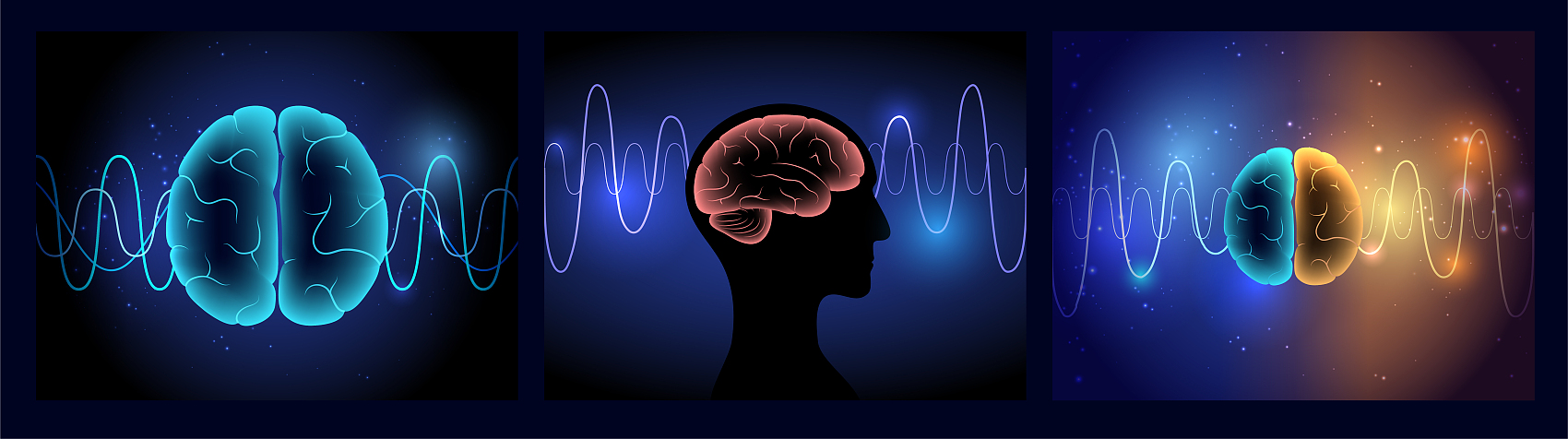
When you drop into flow, that network quiets down. High-frequency beta waves, the ones tied to alert stress, ease off, and alpha waves (roughly 8–12 Hz), the relaxed-and-focused band, ramp up.
That’s useful, because it gives flow a measurable shape: beta down, alpha up, DMN quiet. Which means we can test a tool honestly, instead of trusting the vibes.
Why a singing bowl? The mechanics, minus the mysticism
Let me clear the air first. I’m not selling you 432 Hz healing frequencies or chakra alignment. If that’s your thing, no judgment, but that’s a different conversation.
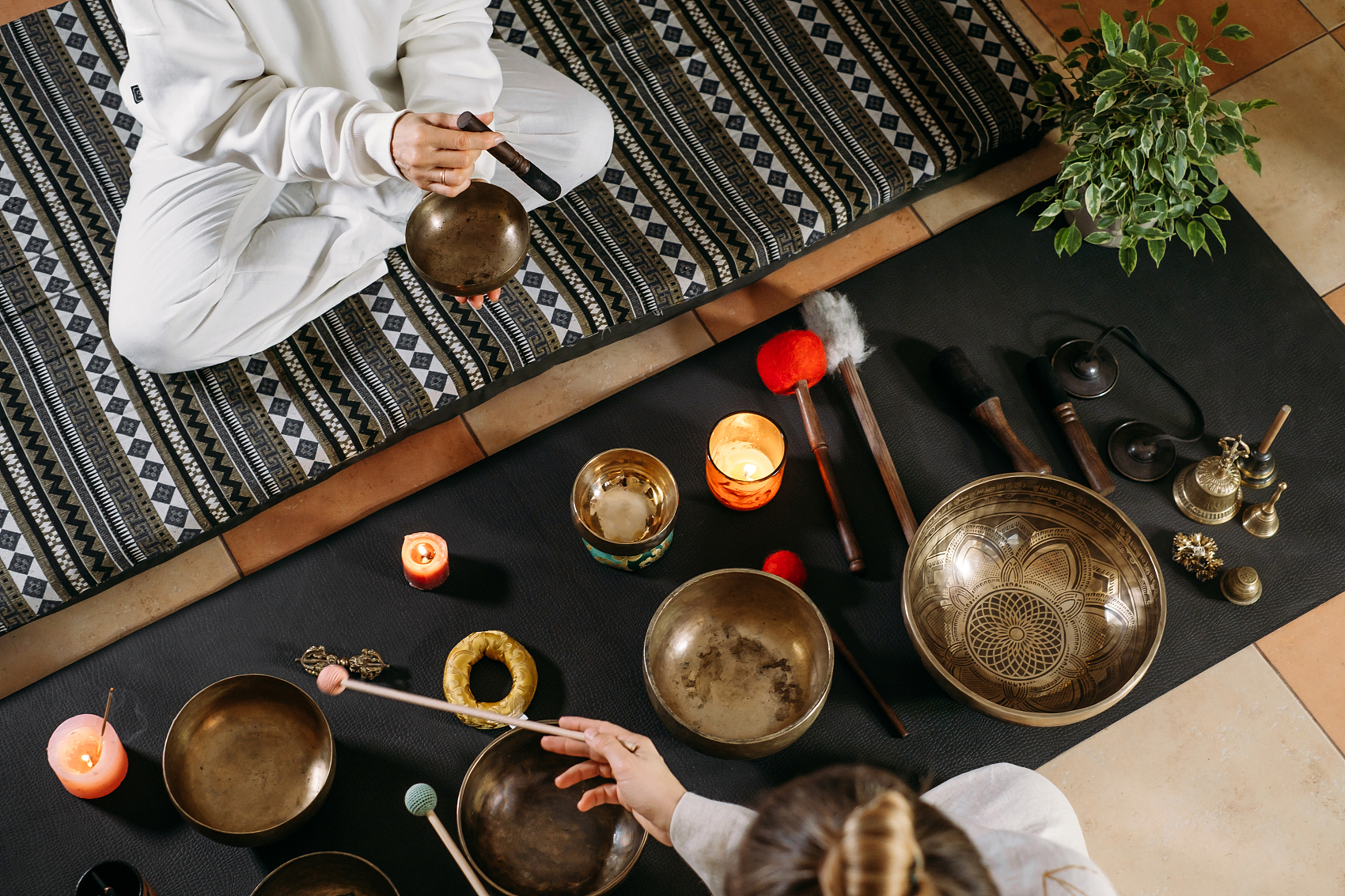
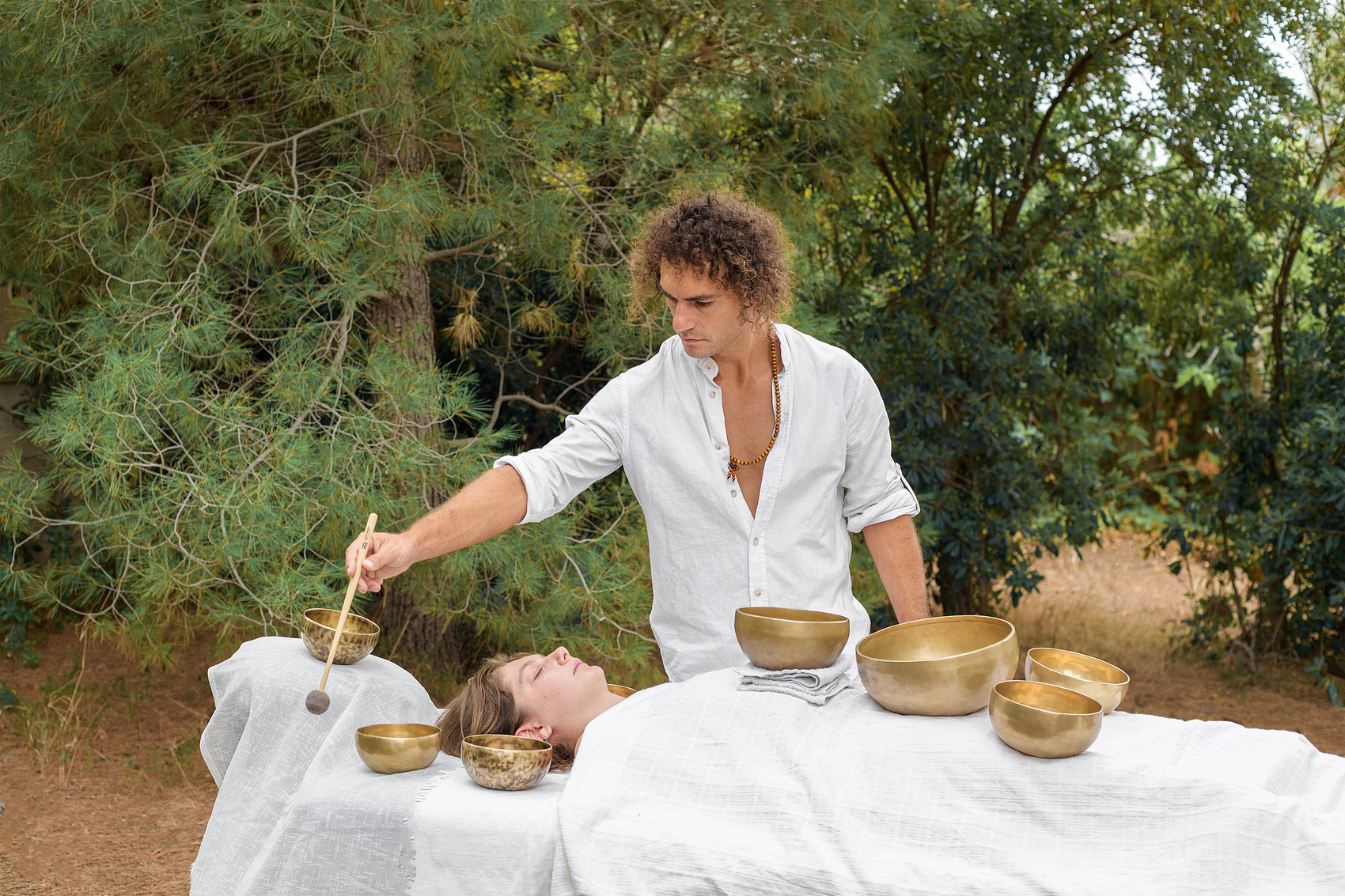
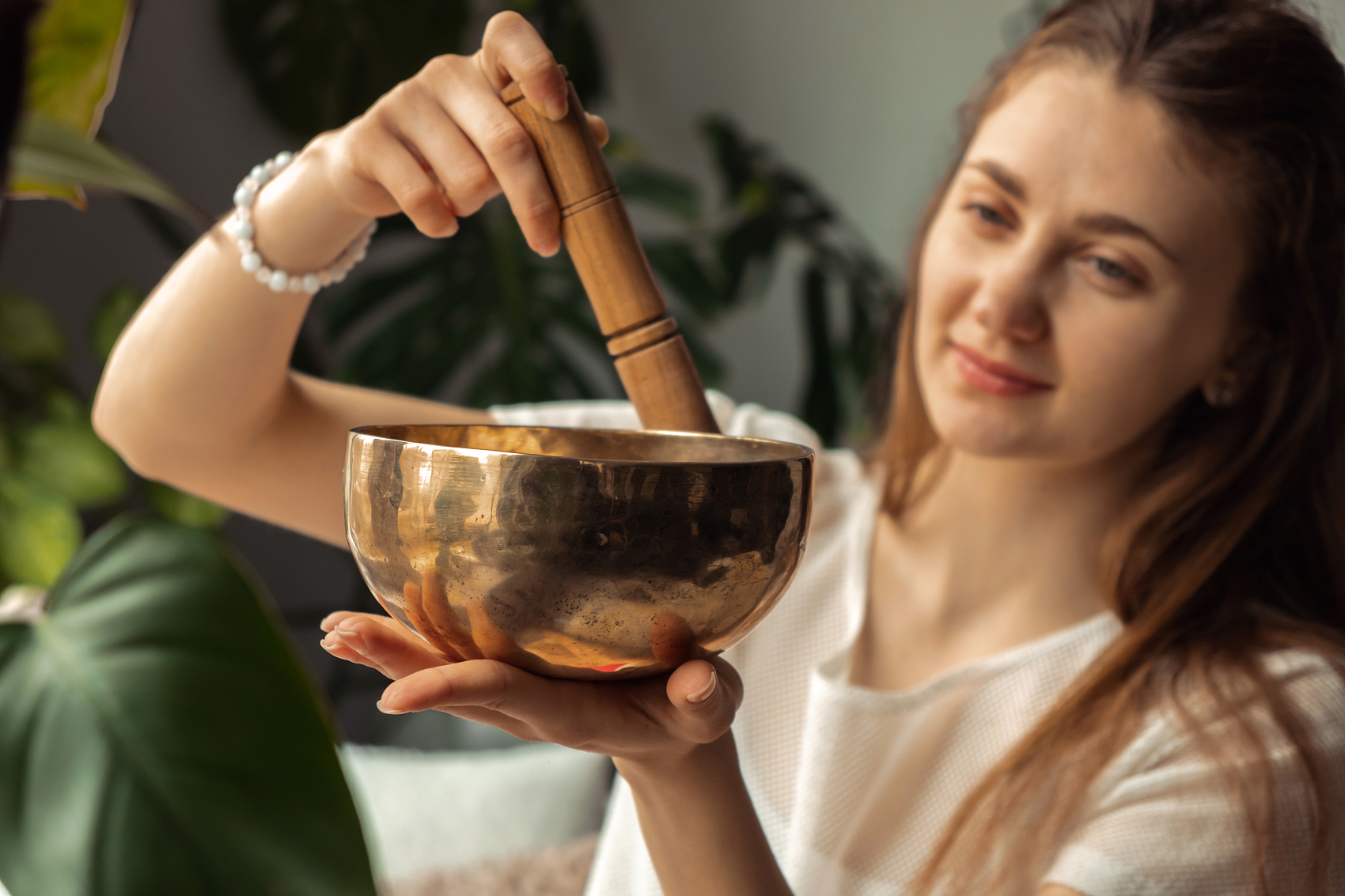
A singing bowl is mechanically simple: a hunk of metal that rings at a precise frequency when you strike it. Set it on the desk and hit it, and two things happen.
First, the vibration travels through the desk into your hands and arms. That’s bone and tissue conduction, and it stimulates the vagus nerve, the main line of your “rest and digest” system. When that nerve lights up, your fight-or-flight tone drops. That’s physiology, not belief.
Second, your ears pick up a clean sustained tone, and the brain tends to entrain to it. Brainwave entrainment is well documented, same family as binaural beats. A steady low tone invites your brain rhythm to slow down with it.
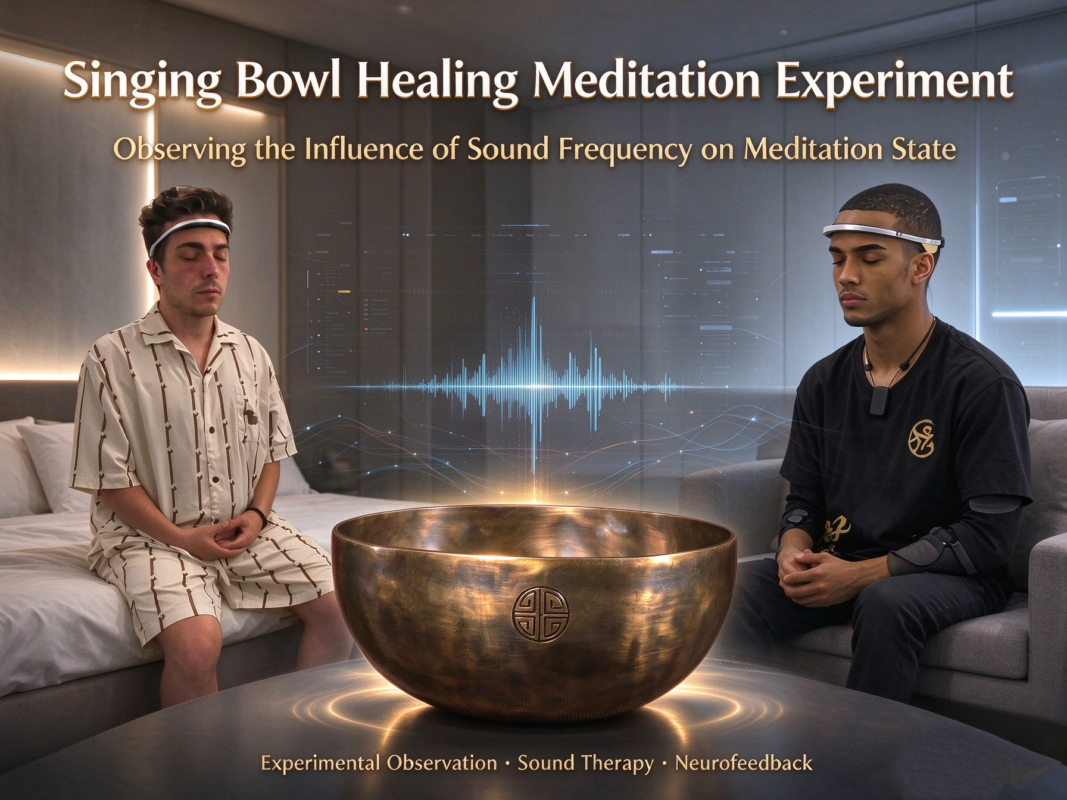
In my own testing, three minutes with the bowl, hands flat on the desk, was enough to pull me out of a scattered state. I eventually started wearing an EEG headband to check whether it was real or placebo, and the numbers matched the feeling. [M1-02: insert your EEG pilot summary: alpha change %, sample size, conditions, date]
I’m not going to oversell this. A bowl won’t do the work for you, and if you’re running on three hours of sleep, no sound on earth fixes that. But as a mid-day reset for a frazzled brain, it beat my coffee habit.
Try it: the three-minute reset
Here’s the exact routine I use, if you want to test it yourself.
1. Sit down. Hands flat on the desk in front of you.
2. Strike the bowl once, near the rim, and pull the mallet back immediately.
3. Eyes closed, two slow exhales. Feel the vibration through the desk. Then open your eyes and start.
That’s it. No incense, no special lighting, no app.
Common questions
Isn’t this just placebo?
Partly, maybe. But placebo effects are real effects: your brain is genuinely capable of calming down when it expects to. The interesting part is that the vibration works through pathways that don’t require belief.
Is this the same as meditation?
No, and that’s the point. Meditation builds the skill over months. A bowl is a mechanical reset you can use today.
Does size matter?
Yes, a lot. For a desk, 18 cm is the sweet spot. I cover all three sizes in the buying guide.
If you’d rather watch than read, the video version of this post is here: [M1-05: YouTube link, Episode 1].
Next up I measured all this with an EEG headband: tired brain without the bowl, versus tired brain after three minutes with it. The data surprised me. Read Part 2 here: [M1-09: link to Part 2 when published]